Space
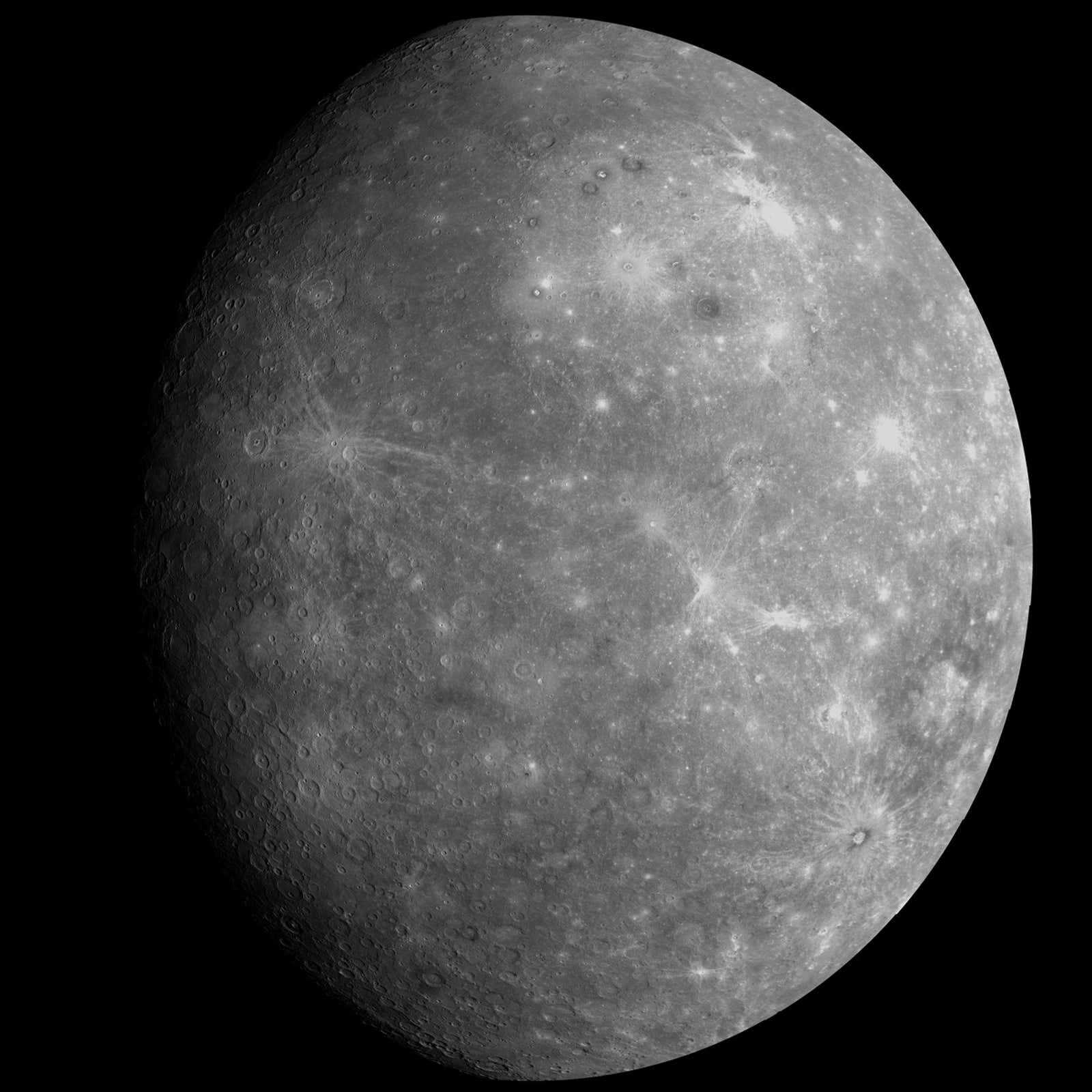
Spacecraft draw closer to Mercury after nearly decade-long voyage
September 6, 2026, 12:35 pm EDT
Two Mercury-bound spacecraft left their mother ship behind on Thursday to study the solar system's smallest planet.
SpaceX's new Starbase Louisiana faces a tough weather test
September 4, 2026, 8:22 am EDT
Six weather factors separate Cape Canaveral from Vermilion Parish, the site of SpaceX's new $100 billion spaceport.
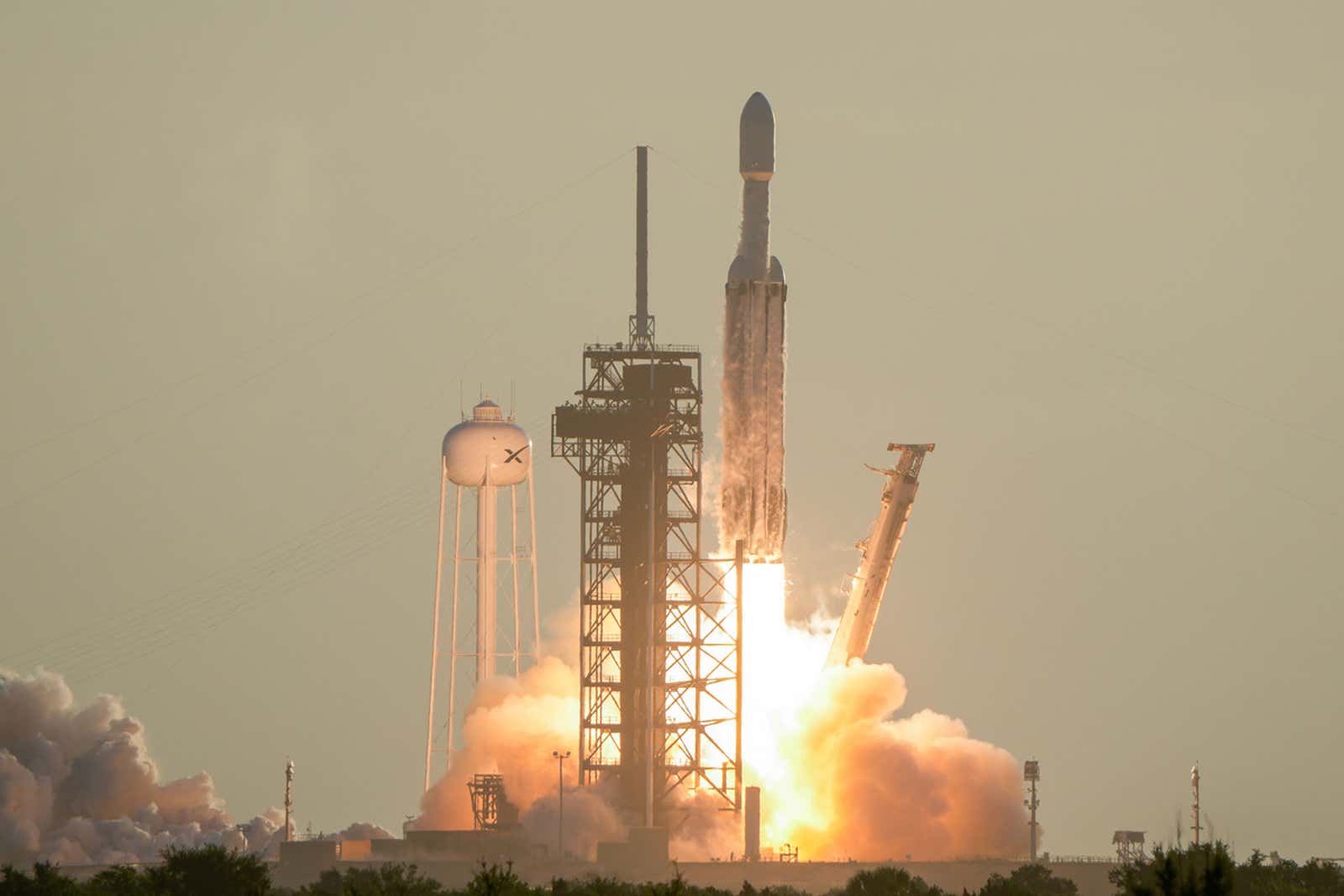
NASA's newest space telescope launches on a quest to explore the hidden universe
August 30, 2026, 11:00 am EDT
The bus-sized telescope — named after the late Nancy Grace Roman, NASA’s first chief astronomer — will take more than three months to reach its destination.
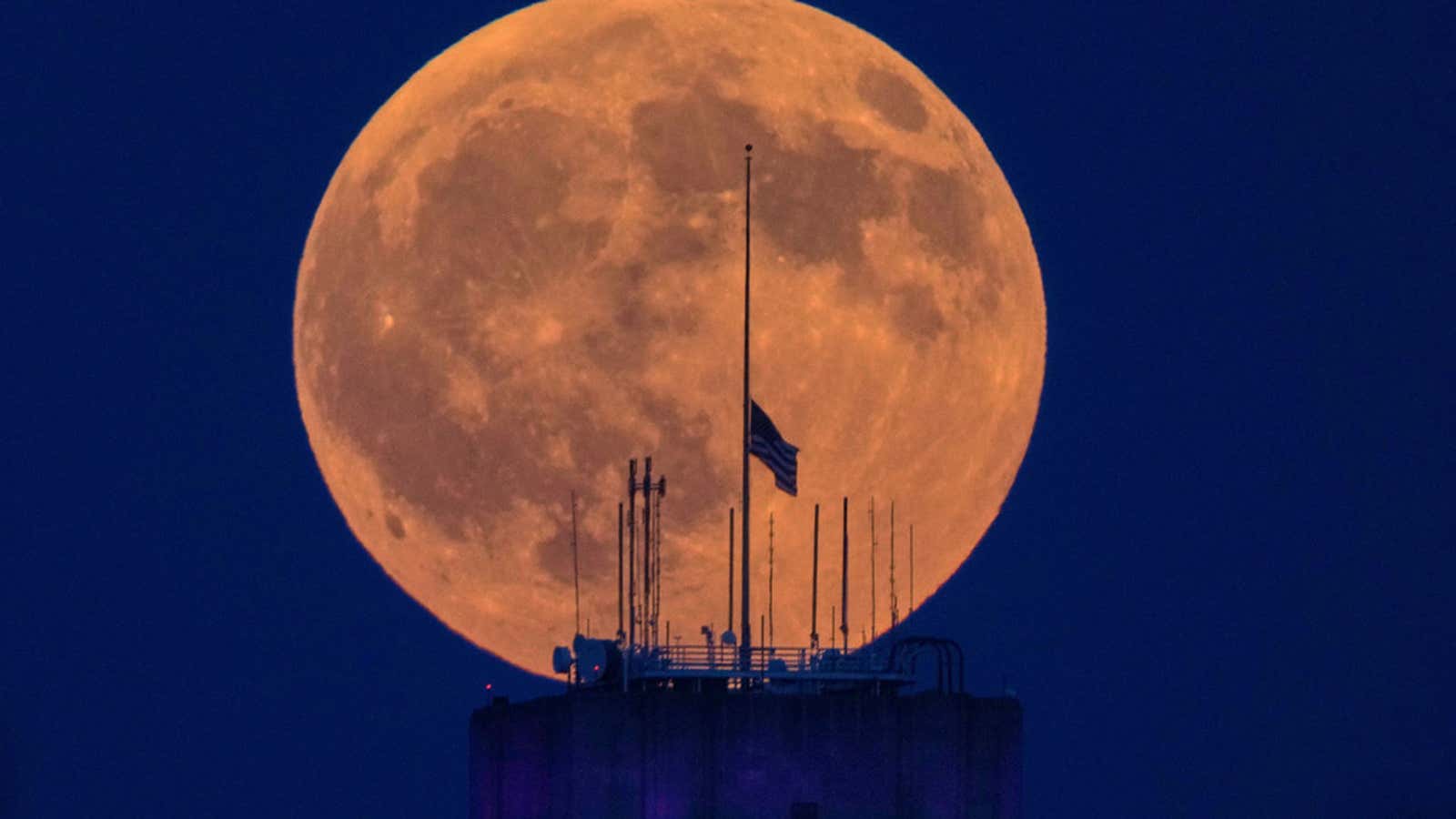
Did you miss it? See the best photos from the 2026 Americas, Europe lunar eclipse
August 28, 2026, 7:43 am EDT
Here's our roundup of the best images from the special celestial event that wowed millions.
How to see the ‘Blaze Star’ nova eruption in 2026
August 28, 2026, 7:36 am EDT
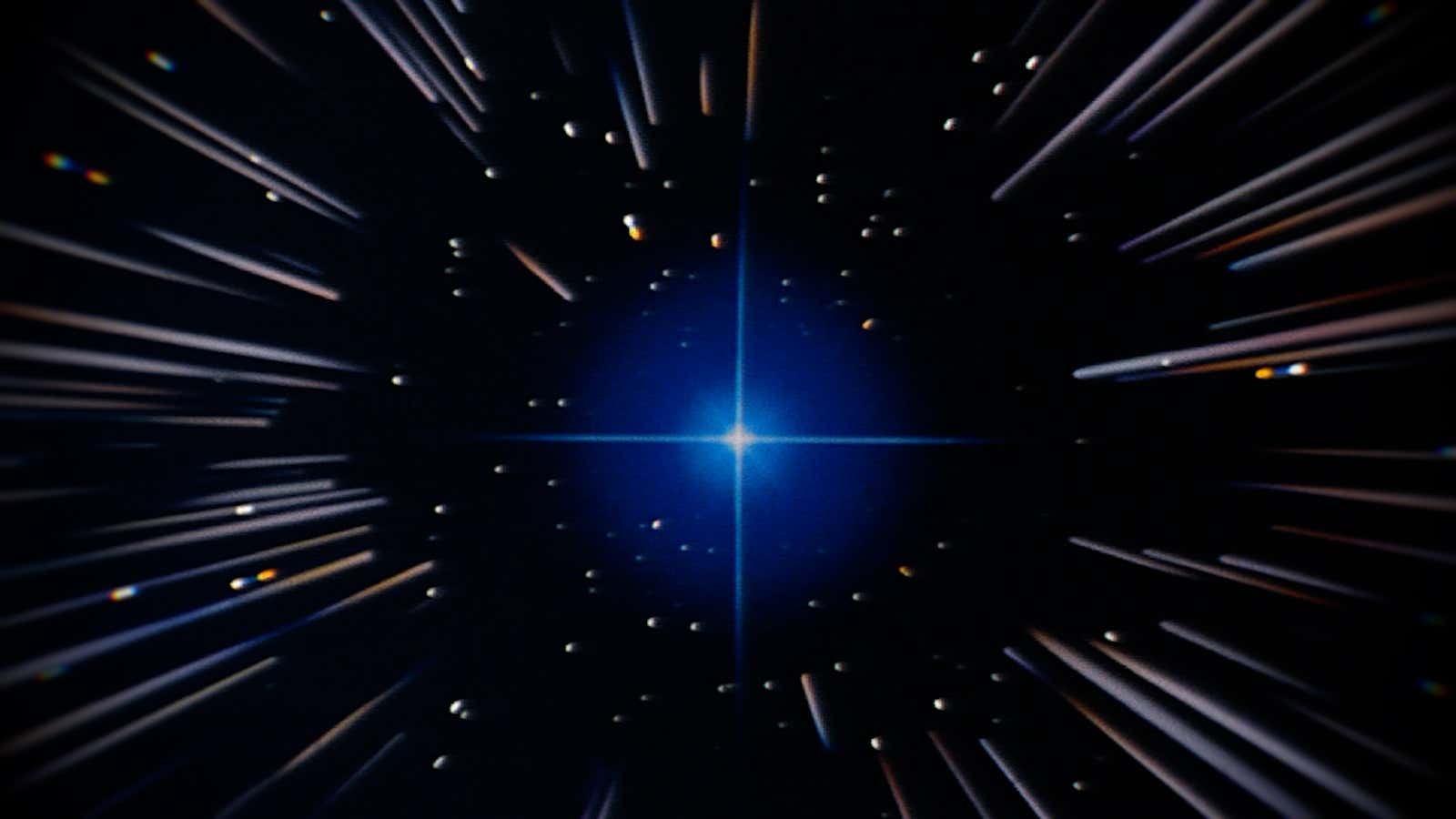
T Coronae Borealis, nicknamed the "Blaze Star," is a system that erupts roughly every 80 years, and 2026 is set to be the year it happens again. When this nova erupts, a massive burst of energy will make this normally faint star suddenly visible to the naked eye without a telescope. Prepare now by locating the constellation Corona Borealis, between Hercules and Boötes. When the eruption happens, one of those faint points will dramatically brighten.
Skywatchers’ delight: Geomagnetic storm may mean northern lights during lunar eclipse
August 27, 2026, 3:56 pm EDT
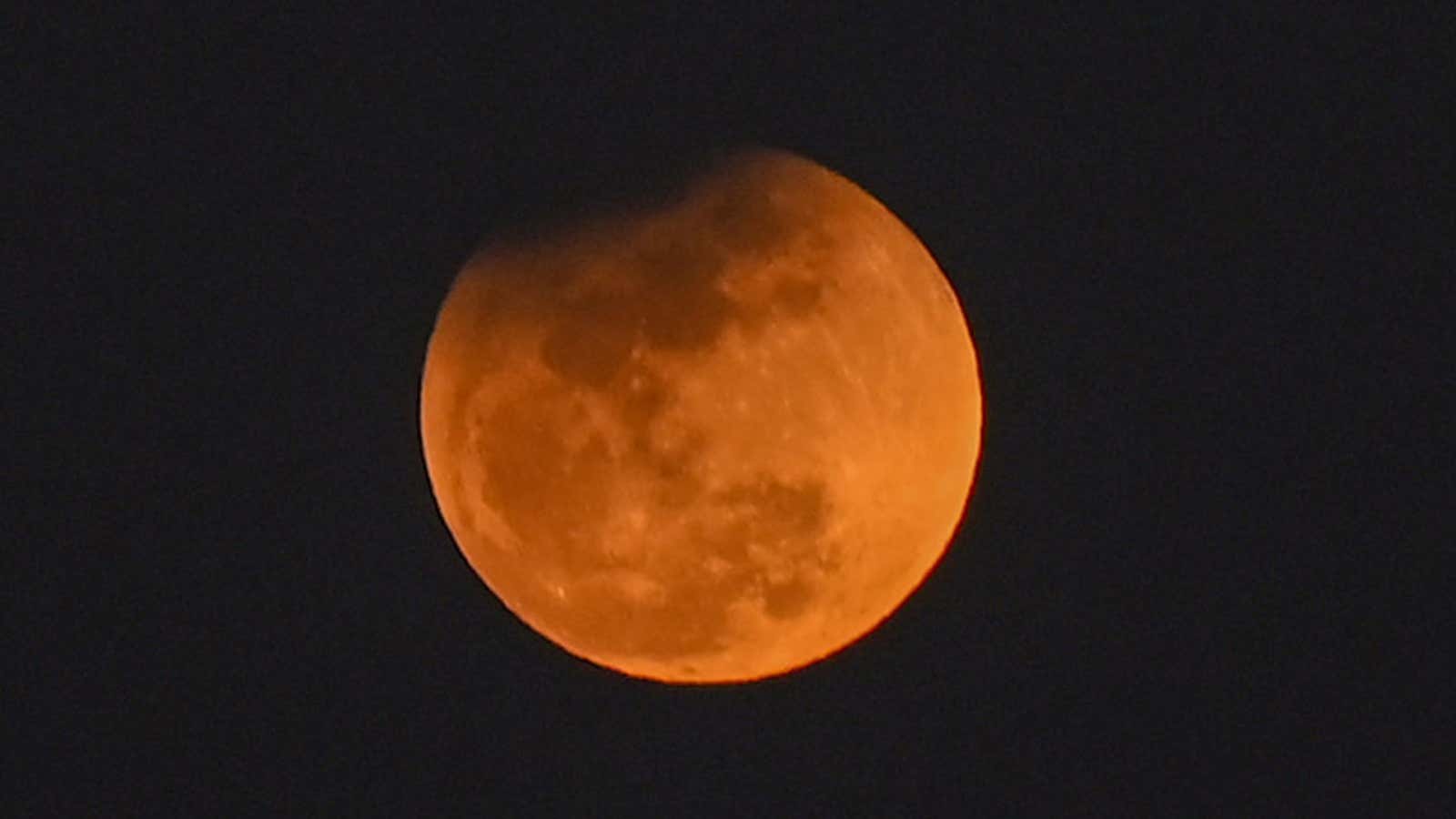
Heads (and eyes) up, skywatchers! The northern lights may be visible farther south than usual during a lunar eclipse.
Watch the 'Blaze Star' eruption light up the sky in 2026
August 27, 2026, 2:31 pm EDT
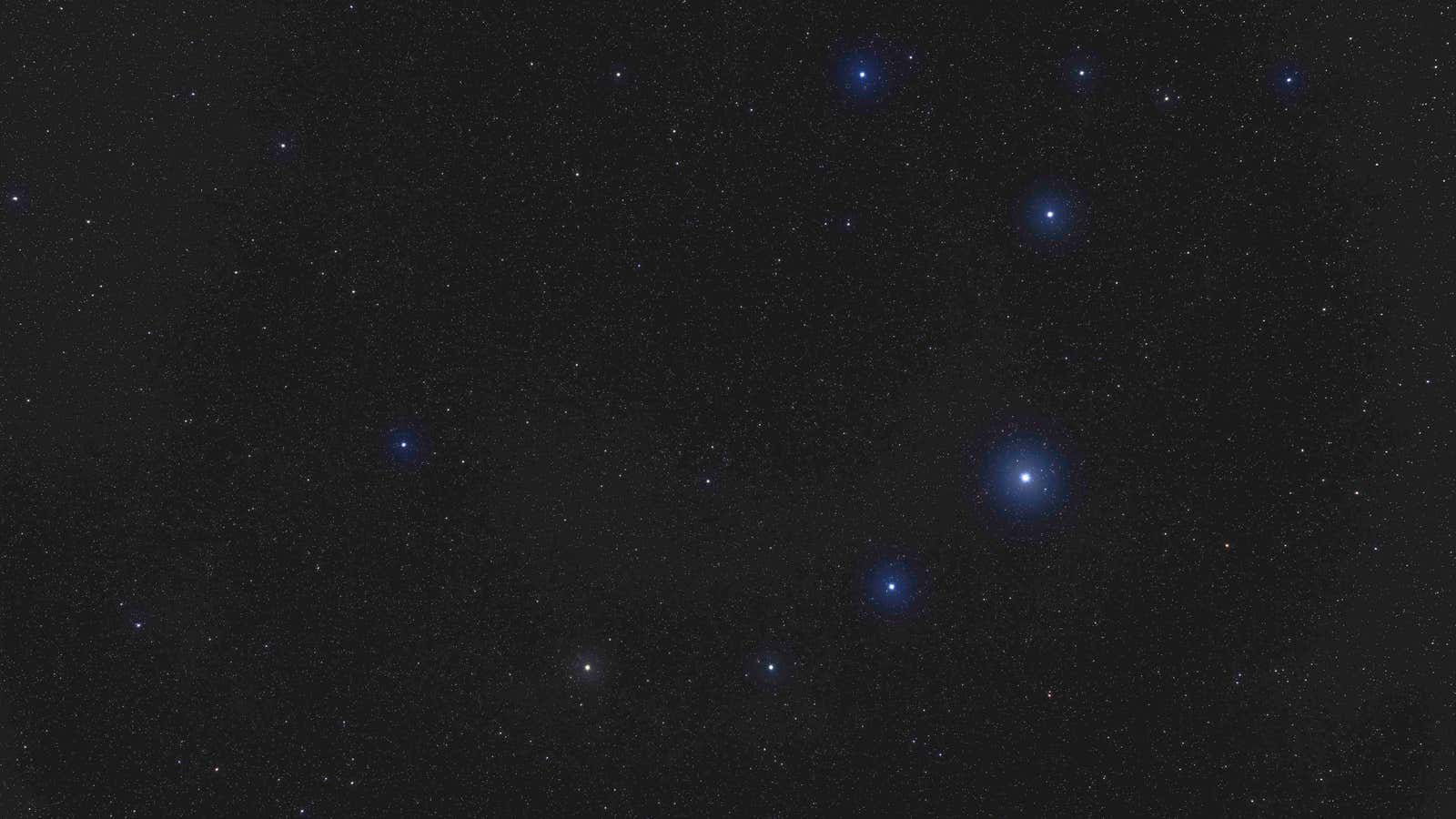
T Coronae Borealis is expected to erupt in 2026, and you'll be able to see it without a telescope.
How to capture the Perseid meteor shower on your phone
August 27, 2026, 7:10 am EDT
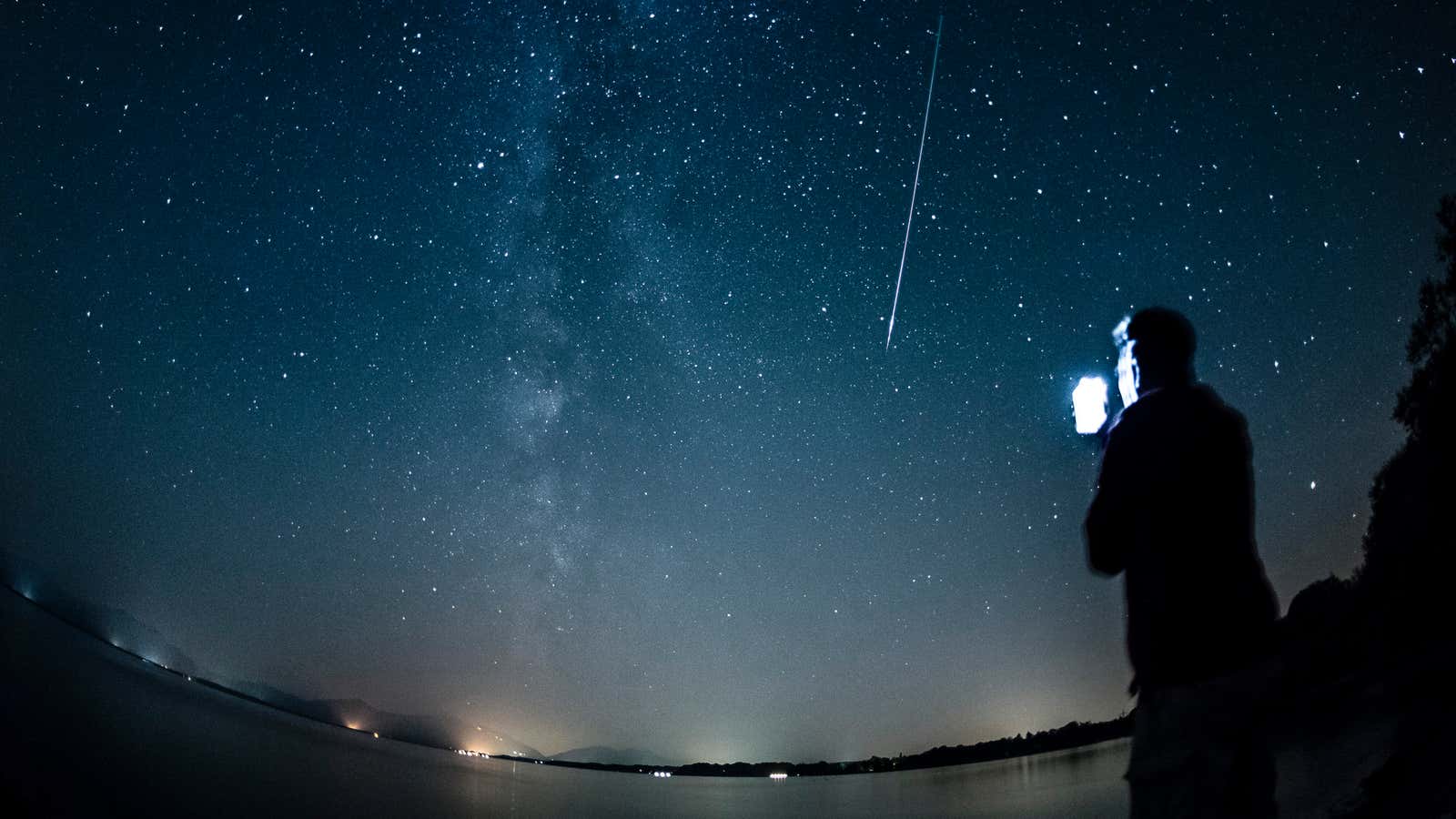
Picture or it didn’t happen, right? We have the best tips and tricks for capturing the Perseids on your smartphone.
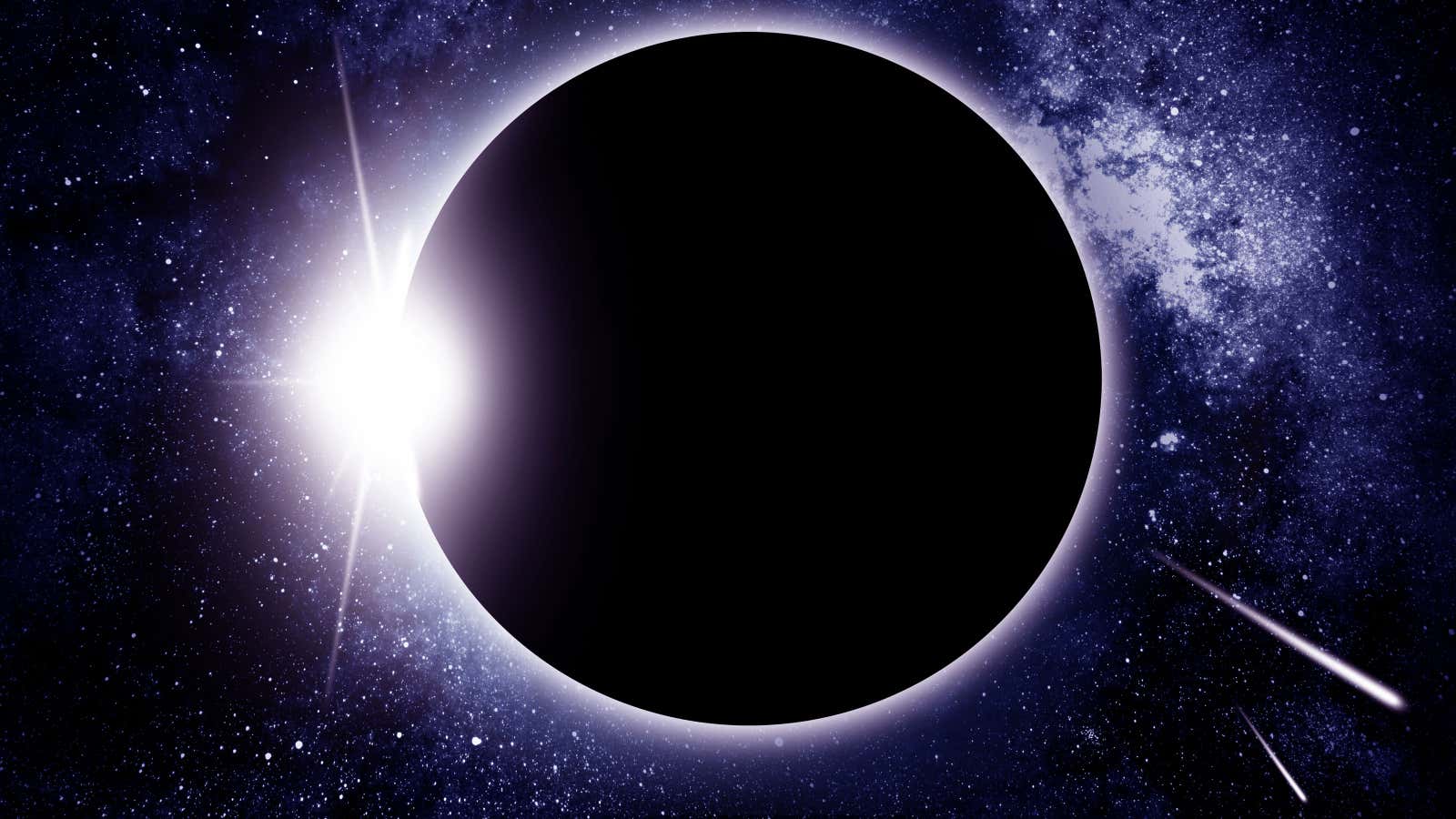
One moon, two shows: the strangest sky day of 2026
August 27, 2026, 7:09 am EDT
We get the Perseid meteor shower under a new moon and a total solar eclipse — on Wednesday.
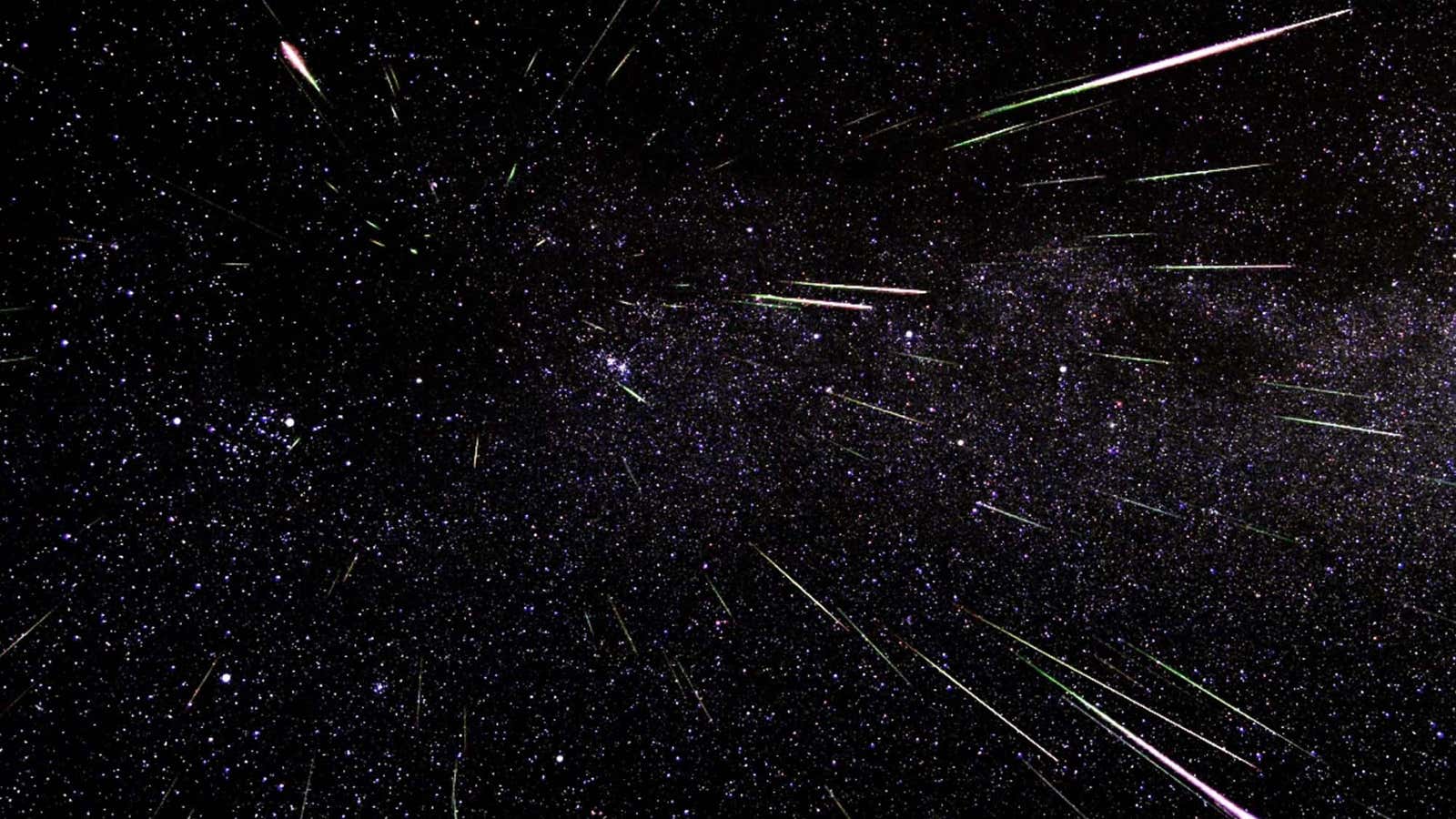
Perseid meteor shower 2026: Perfect new moon to create ideal conditions for peak viewing
August 27, 2026, 7:09 am EDT
The Perseid meteor shower reaches peak activity August 12-13 with a rare new moon creating ideal viewing conditions for up to 100 meteors per hour