Why November is a great time to plant bare-root hedges, according to gardening experts
Landscapers swear by this time of year for a reason.
2 days ago
Updated: November 10, 2026, 8:13 am ESTPublished: November 10, 2026, 7:25 pm EST
November isn’t exactly known as a month for planting, but there are some exceptions. Most of us tend to think of it as the time of year when things are winding down in the garden, especially as temperatures drop, the bright flowers from summer have wilted or faded, and much of the vegetable harvest is already behind us. And while that may be true, you might be surprised that there are plants where it’s actually preferred to plant them this month, including bare-root hedges.
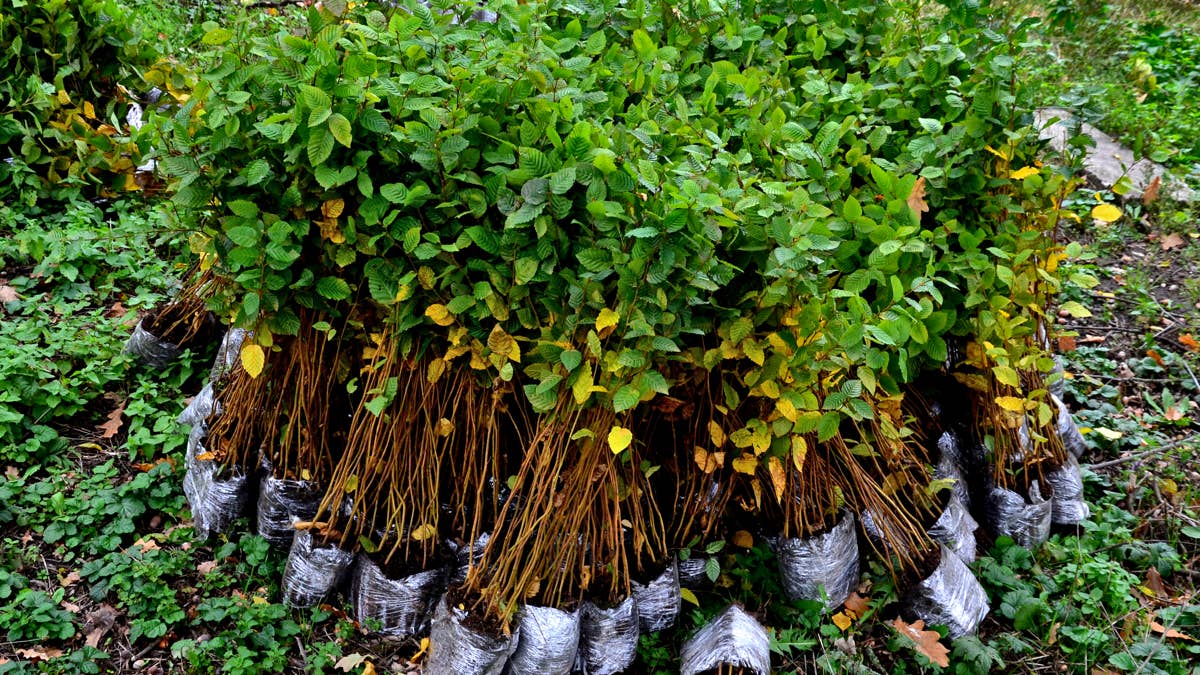
“Bare-root plants are exactly what they sound like,” says horticultural manager Lily O’Brien. “They are plants or propagations of various woody species, such as roses and fruit trees, grown in loose soil for a few years, then extracted during their dormant period in winter, leaving only the trunk and root structure.” Ultimately, “this preserves their energy and makes transplanting easier on the plant,” she explains.
O’Brien says that November is the month to plant bare-root plants. Widely considered the prime time to plant them for best results, you may be wondering how exactly you can tackle planting some bare-root hedges in your own yard. Below, O’Brien breaks down the essential steps to follow for properly planting bare-root hedges and why landscapers particularly recommend fall for hedge planting.

How to Plant Bare-Root Hedges in November
beekeepx / Getty Images
According to O’Brien, the best time frame for planting bare-root hedges is within 48 hours of receiving them (the sooner they’re planted once you get them, the more likely they are to take root, she says). If you have to wait longer than that and need to store them, she advises keeping them in water in a refrigerator to decrease the chance of damage.
You’ll also want to keep in mind that “bare-root hedges are best planted in November when most plants are dormant, but the ground isn’t frozen solid,” O’Brien says. From there, prep the ground by digging a hole about two feet in diameter that’s also deep enough so the root flare aligns with the groundline. Add a fertilizer or a stake if needed, and then partially fill the hole before lightly packing it in. Check that the trunk is straight at this point in the process.
“Finally, fill in the hole and create a perimeter of dirt about a foot out from the base,” she says. “Water the berm and mulch thoroughly to keep the soil moist throughout the spring and summer.” In the first year, you’ll want to pay attention to the soil, making sure the plants receive enough water and that they’re not planted too deep either.
Get More of Our News on Google
Set The Weather Company as a 'Preferred Source' to get quicker access to the news you value.

Related: 3 Plants You Need to Prune This Fall, According to a Gardening Pro
Why Landscapers Insist on Fall Hedge Planting
Kazutaka / Getty Images
So, why November? “Many professionals prefer planting in November due to the ease of transitioning plants into establishment,” O’Brien explains. “The transparency of the root system allows the landscaper to observe its structure and gain insight into potentially diseased plants.”
She also points out that bare-root trees are both lighter and cheaper to transport. Even though they’re delicate, it’s possible to get large amounts of them for a fraction of the price.
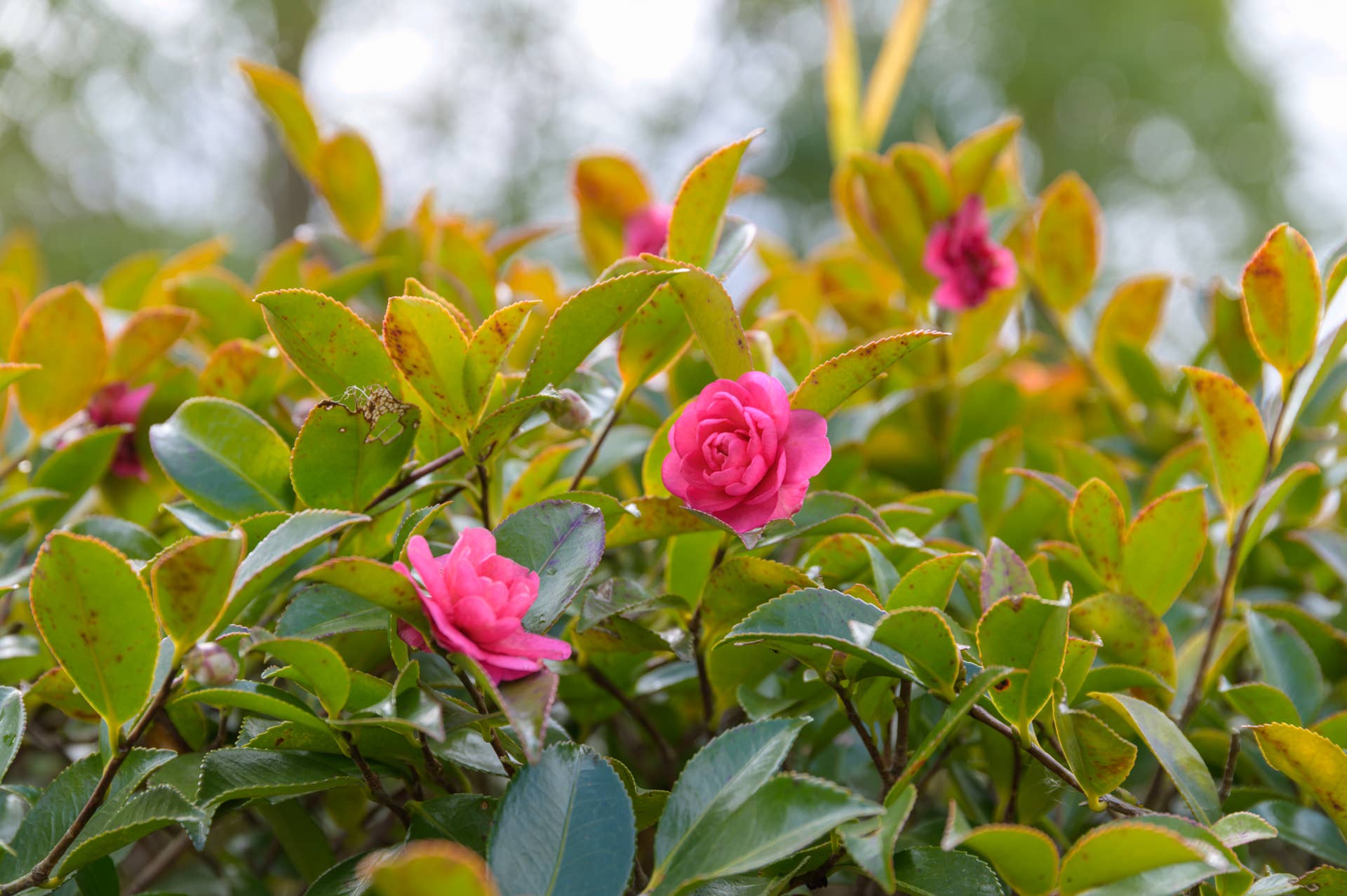
In case you’re looking for any timely inspiration on what bare-root hedges you should plant this month, O’Brien has a few suggestions to help out. First, she says roses are one of the most famous choices this time of year because “their woody stems and ease of propagation make them ideal for bare-root hedges.” She also suggests Beech (aka Fagus sylvatica). It’s a popular hedge plant that can be easily prepared as bare-root stock for planting in November.
Source:
- Lily O’Brien is the horticultural and grounds manager at Goodstone Inn & Restaurant in Middleburg, Virginia.
Related: How to Winterize Your Garden in One Weekend: A Step-by-Step Checklist
Loading comments...