El Niño could impact your espresso, but not as soon as you think
Record coffee crops are forecast in Brazil and Vietnam, but El Niño could threaten the harvests that follow.


El Niño could impact the coffee beans commonly used in espresso blends in the United States and much of the world.
(Getty Images)
Let's start with the good news: Record coffee harvests are forecast in Brazil and Vietnam this season.
However, El Niño could threaten the crops that come next. That matters for you coffee lovers, because those two countries supply a lion’s share of the world’s beans, including many that end up in your morning jolt of espresso.
We’ve told you how the current super El Niño is likely to become the strongest on record in over 75 years, and it could impact everything from shipping to a rise in invasive crabs.

Record crops now, risk later
The U.S. Department of Agriculture expects Brazil to produce a record 71.9 million bags of coffee beans (60 kilograms, or 132 pounds, each) from the 2026-27 crop, with arabica beans rebounding to 47.5 million bags.
(MORE: Will super El Niño melt your white Christmas?)
Vietnam is forecast to produce a record 32.5 million bags, and the USDA says world production should reach a record 198.7 million. Brazil alone accounts for nearly 40% of all the coffee in the world.
Get More of Our News on Google
Set The Weather Company as a 'Preferred Source' to get quicker access to the news you value.

Those figures describe the coffee being harvested now. El Niño’s threat is mainly to the harvests after it, and two weather tests will help decide how big those are.
Test 1: Brazil’s flowering
Coffee trees need steady rain and moderate temperatures when they flower. Reuters reported in July that El Niño is expected to disrupt that flowering cycle in the second half of this year. The Brazilian Coffee Industry Association warned that excessive heat and irregular rain could cut the harvest by up to a fifth.
(MORE: El Niño is shrinking Peru's blueberry harvest)
Growers are better prepared than in past El Niño years, with irrigation expanded in recent years, according to Reuters. But their report notes that many arabica farms still lack irrigation, while nearly all robusta plantations have it.
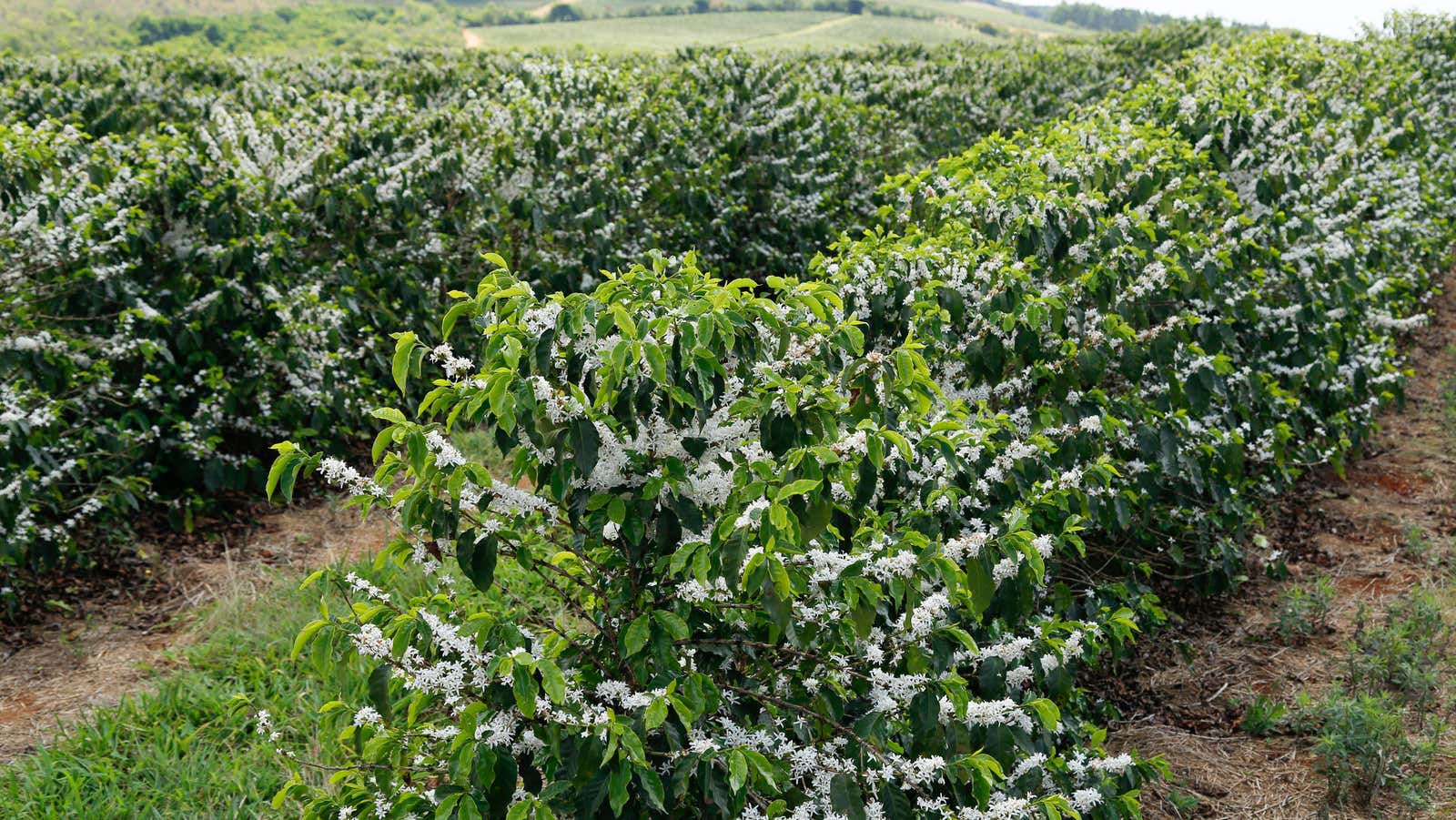
Flowering coffee plants on a farm in Brazil.
(Getty Images/Sidney de Almeida)
Test 2: Vietnam’s dry season
Vietnam produces about 40% of the world's robusta, according to the USDA. While this year’s output is expected to hold steady, farmer Tran Thi Mai told Reuters that “water shortages and drought conditions could begin to affect irrigation as early as February.”
She added: “It is highly likely that the yield for the next harvest will be lower.”
A coffee industry leader in Dak Lak province said El Niño’s impact is “expected to be very severe.”
(COMPLETE COVERAGE: El Niño 2026-27)
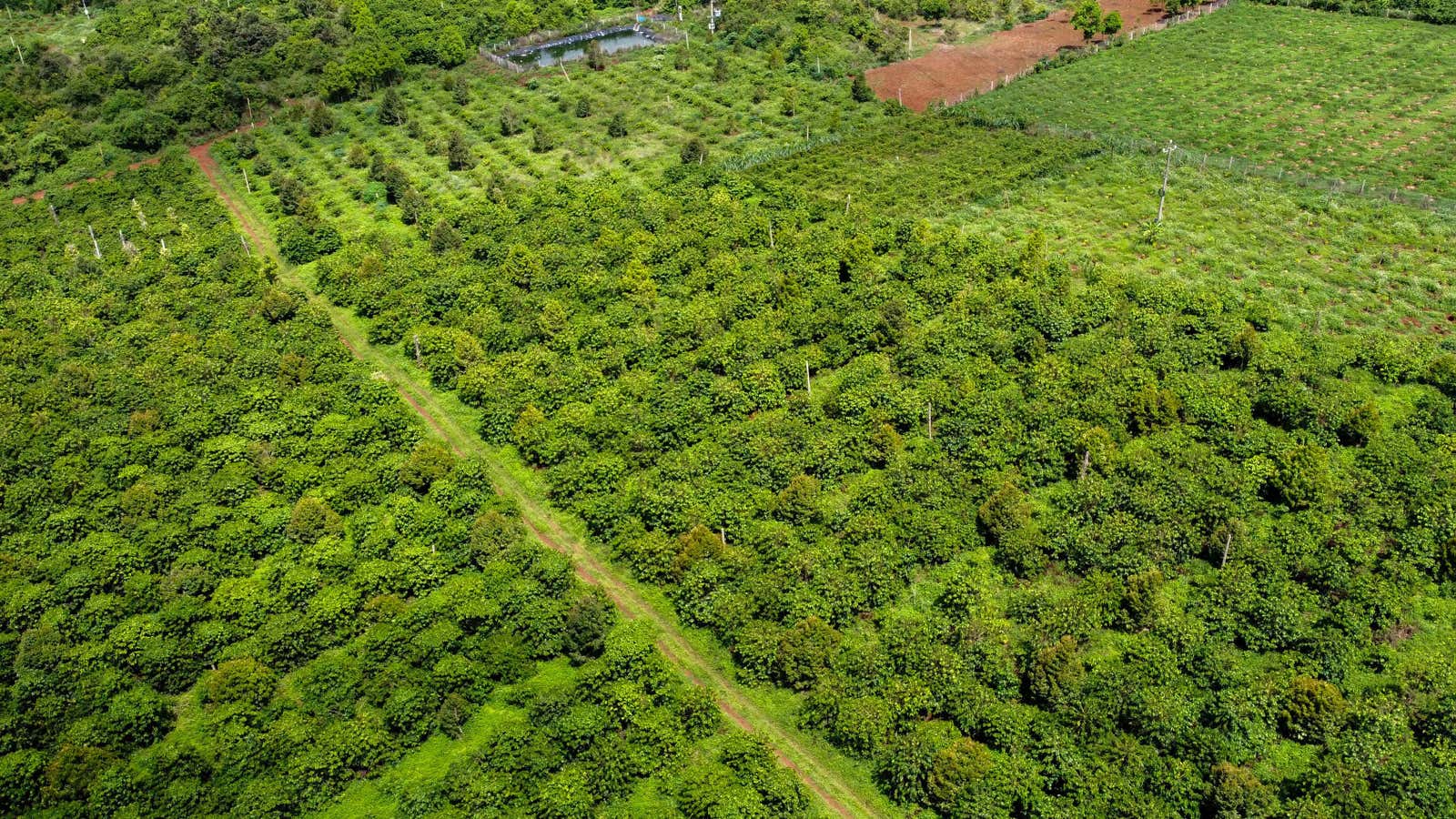
An image captured by a drone shows a coffee plantation belonging to Doan Van Thang, a coffee farmer, in Pleiku, June 12, 2024.
(REUTERS/Minh Nguyen)
What it could mean for your cup
Robusta is a common component of Italian espresso blends, according to the National Coffee Association, so a poor Vietnamese harvest could change the flavor and potency of what’s poured into your cup.
Robusta is also used in instant coffees, which are making a comeback and growing in popularity in the U.S. Instant coffee is becoming a favorite among younger coffee drinkers because it’s quick and more affordable than traditional coffee, according to Coffee Geography Magazine.
It’s too early to predict any impact on prices though. This year’s large crops are adding to supply and experts caution that it’s too soon to say how much El Niño will slash the next harvests.
Loading comments...