Why ginger ale tastes better on planes: how cabin air changes flavor
Dry cabin air and lower pressure alters your sense of smell and taste, so ginger ale may taste crisper in flight.

The science behind why ginger ale tastes better on a plane
If you've ever ordered a ginger ale on a flight and thought it tasted crisper than usual, you're not imagining it. The weather outside your window is a big reason.
Dry air dulls your sense of smell
The air at cruising altitude is extremely cold and holds almost no moisture. Planes pull that outside air in to ventilate the cabin, so the humidity inside ends up far lower than what you're used to on the ground.
(WATCH: The flu-fighting trick your house might be missing)

That matters for taste. Your sense of smell depends on a thin layer of moisture in your nose to catch odor molecules.
When the cabin air dries out your nasal passages, your sense of smell weakens. Since smell is a big part of how we perceive flavor, food and drinks can taste flatter.
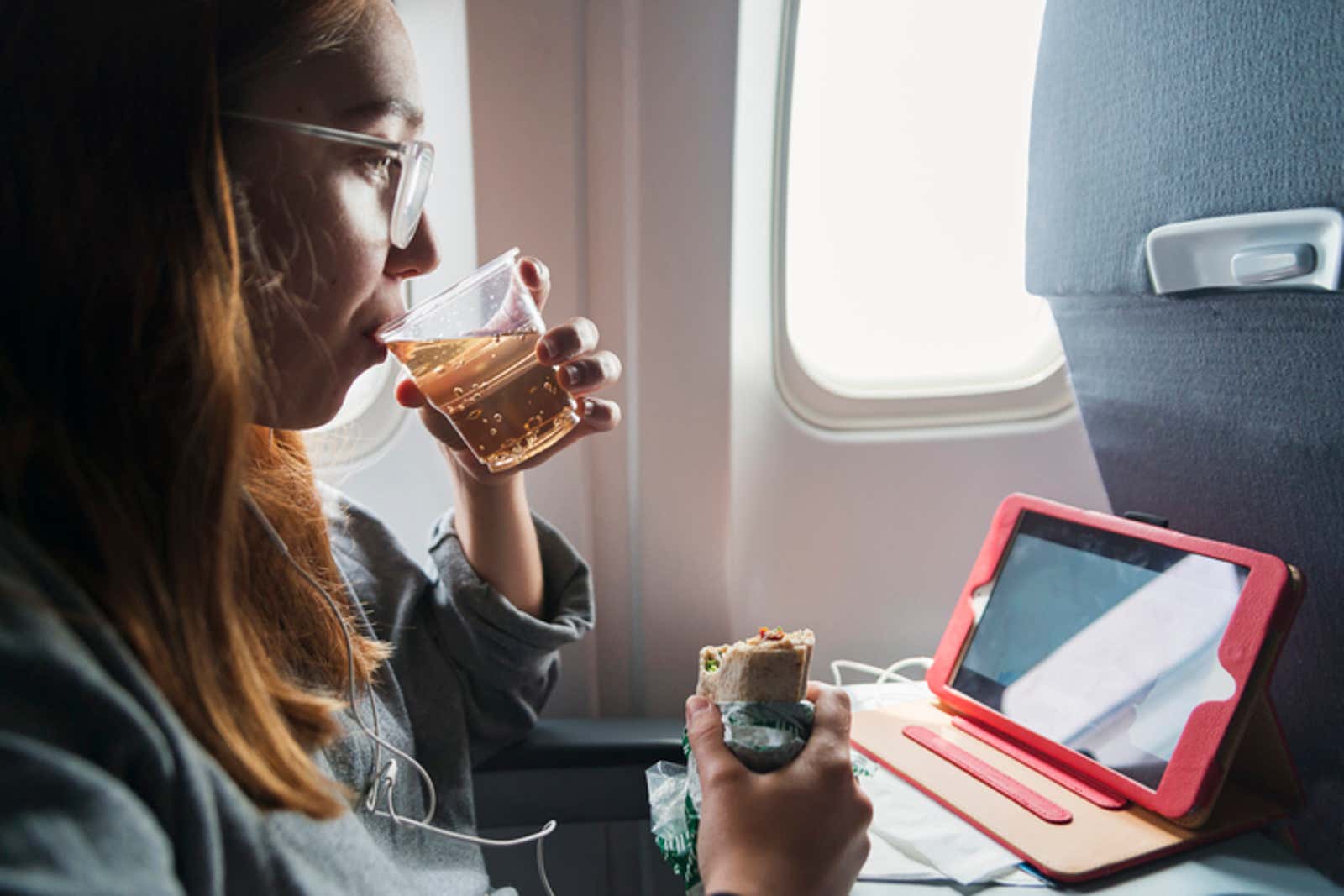
In the air, ginger ale's sweetness fades, and what's left is the ginger itself, with its mild, peppery bite.
(martinedoucet via Getty Images)
Lower pressure weakens taste buds
Cabin pressure is also lower than at ground level. Planes are pressurized to keep passengers comfortable, but not to the degree you would feel at sea level.
Get More of Our News on Google
Set The Weather Company as a 'Preferred Source' to get quicker access to the news you value.

Researchers who have looked at in-flight dining say this combination of dry, low-pressure air reduces how sensitive your taste buds are, especially to sweet and salty flavors.
One explanation is that lower pressure reduces the oxygen in your blood, which affects how well your taste receptors work.
Loud cabin noise may also play a role. Humidity, air pressure and background noise all seem to contribute, which is why food on planes often tastes bland and why airlines' caterers try to boost the flavor of in-flight meals.
But ginger ale comes out ahead
Here's where ginger ale gets interesting. On the ground, it can taste a little too sweet. In the air, that sweetness fades. What's left is the ginger itself, with its mild, peppery bite.
The result is a drink that seems drier, sharper and more refreshing.
Next time you're up in the air, give it a try for yourself and order a ginger ale. You might just notice you like it better than on the ground.
Miriam Guthrie is an associate meteorologist with weather.com who graduated from Georgia Tech with her undergrad and graduate degrees in Earth and Atmospheric Sciences.
Loading comments...