Fairy rings: The science and folklore behind nature's mystical circles
Circles of mushrooms known as “fairy rings” have a long mythological history, but there’s also a scientific explanation.

The science and mythology behind fairy rings and circles of mushrooms
A perfect circle of mushrooms in the grass looks like something out of a storybook. Some say fairies danced there by moonlight. Others blame witches or even dragons.
But the truth behind this whimsical phenomena is much quieter, and in its own way, just as magical.
What is a fairy ring?
The name comes from an old folktale. People once believed that mushrooms growing in a circle followed the path of fairies dancing in a ring.

Fairy rings are found in open grassy places and forests. On lawns and golf courses, they're most common where the soil is rich in organic matter and where trees have recently been removed.
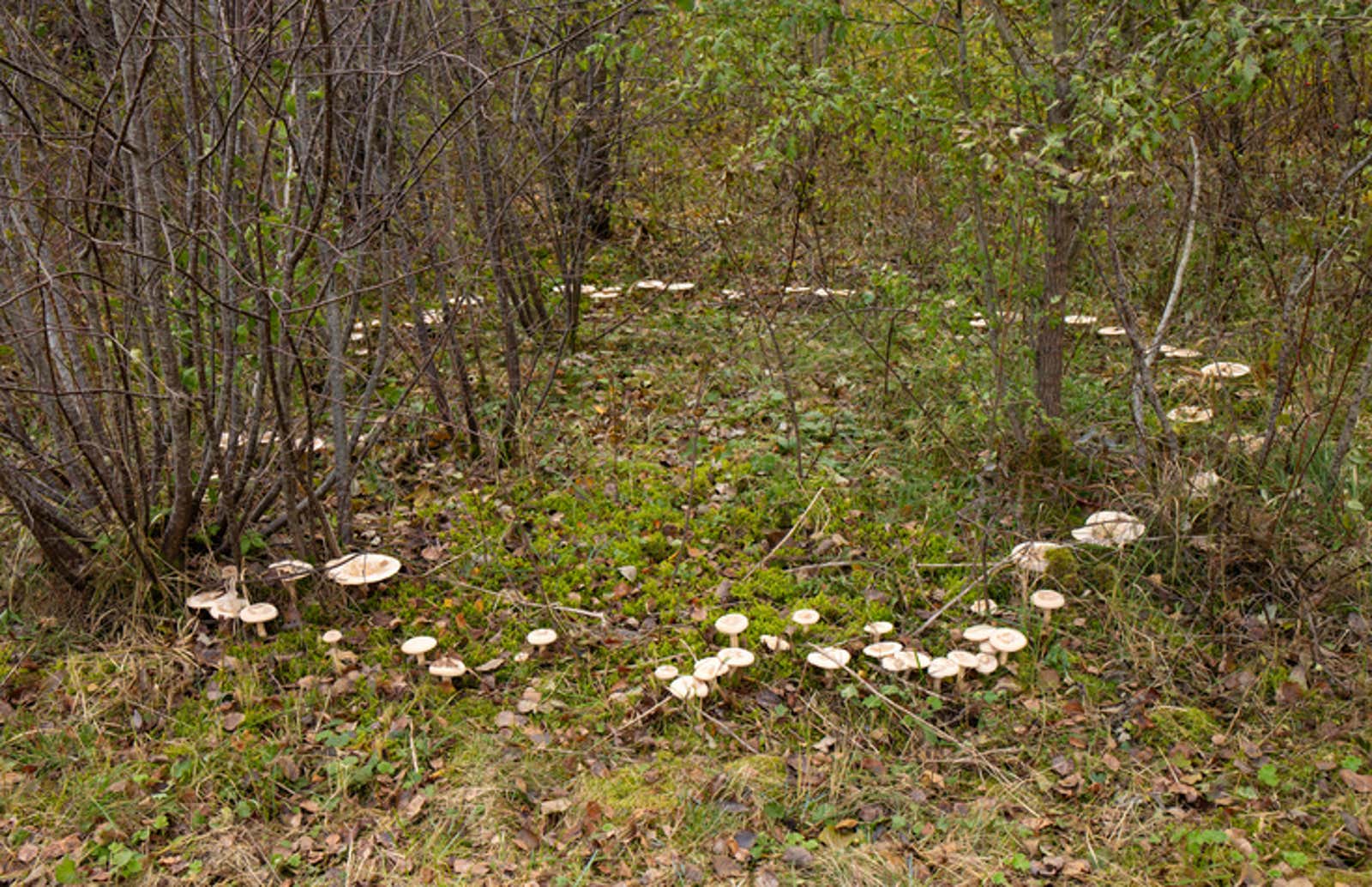
A fairy ring, also known as fairy circle, elf circle, elf ring or pixie ring, is a naturally occurring ring or arc of mushrooms. they can sometimes be linked with good fortune.
(Helin Loik-Tomas via Getty Images)
The folklore
Across Europe, the rings were blamed on all kinds of supernatural causes.
In English and Celtic tradition, they believe these rings were caused by fairies or elves dancing in a circle, and anyone who joined the dance might be forced to keep going until they collapsed from exhaustion.
Get More of Our News on Google
Set The Weather Company as a 'Preferred Source' to get quicker access to the news you value.

(MORE: Why is my yard full of mushrooms?)
In Germany, they're called Hexenringe, or witches' rings, and were linked to witches dancing on Walpurgis Night.
And in Austria's Tyrol region, the story was that dragons burned the circles into the ground with their tails.
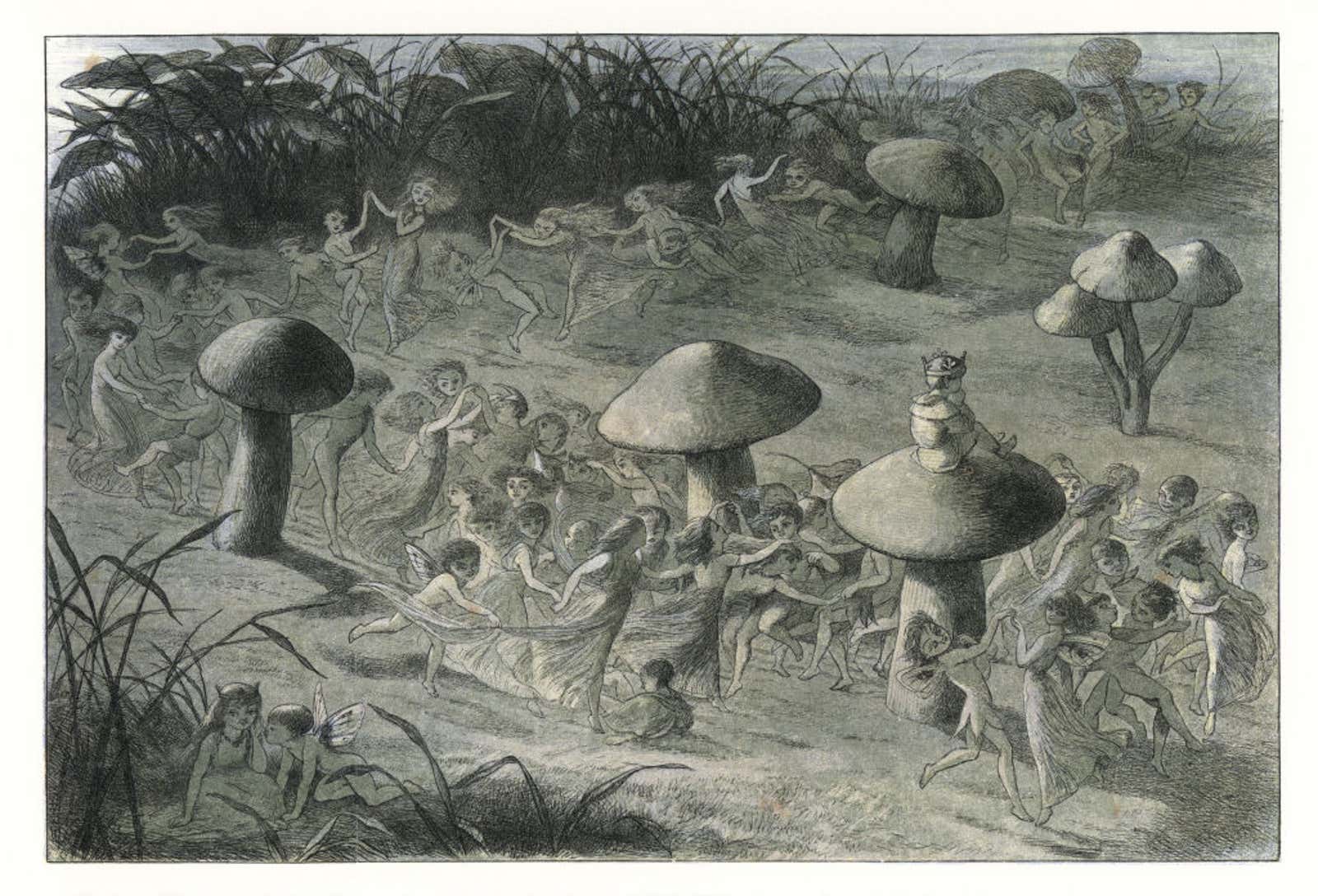
Elves and fairies dancing among the toadstools in the moonlight. Handcoloured woodblock print by Edmund Evans after an illustration by Richard Doyle from In Fairyland, a series of Pictures from the Elf World, Longman, London, 1870. (Photo by: Florilegius/Universal Images Group via Getty Images)
(Florilegius/Universal Images Group via Getty Images)
What's really going on underground
Fairy rings are caused by certain fungi that feed on decaying organic matter buried in the soil, such as tree stumps, logs, leaves or roots. In grass, the best-known ringmaker is a fungus called Marasmius oreades.
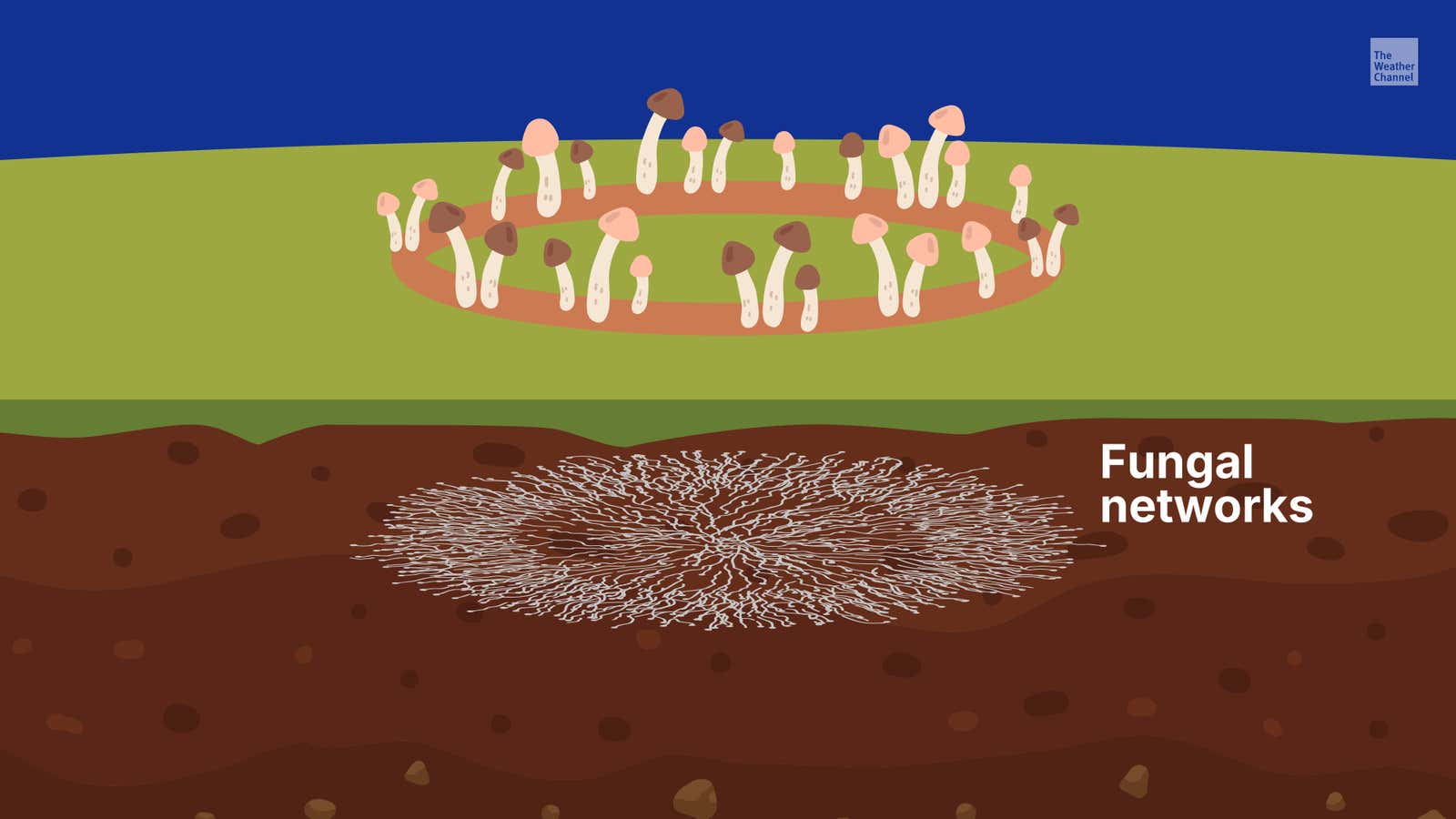
The root network of the fungus, called mycelium, lives underground. A ring starts when a mushroom's spawn lands in a favorable spot and sends out a network of fine threads called hyphae.
The threads grow out evenly in all directions, forming a circular mat. Umbrella-shaped mushrooms spring up just behind its outer edge, forming a similar circle above ground.
As the mycelium begins to exhaust the nutrients in the center of the circle, it continues to expand outwards, in an attempt to consume more nutrients. This process result in an ever-growing circle, expanding wider and further as it looks for more nutrients.
Different kinds of fairy rings
What shows up in your yard depends on the soil, the specific fungus and the conditions.
Some fairy rings just appear as brown circles of dead grass. This type is most common on golf course putting greens, and it occurs because the fungi reduce how much water the soil can absorb, leading to drought conditions that cause the grass in the ring to brown and die.
Another type of fairy ring appears as a very green, lush circle of grass. This happens when the fungi efficiently decay organic matter, releasing nitrogen that promotes growth, leading to a dense green ring of grass.
And finally, the most whimsical fairy rings are those that are rings of mushrooms. These usually appear during more wet periods, particularly in the fall.
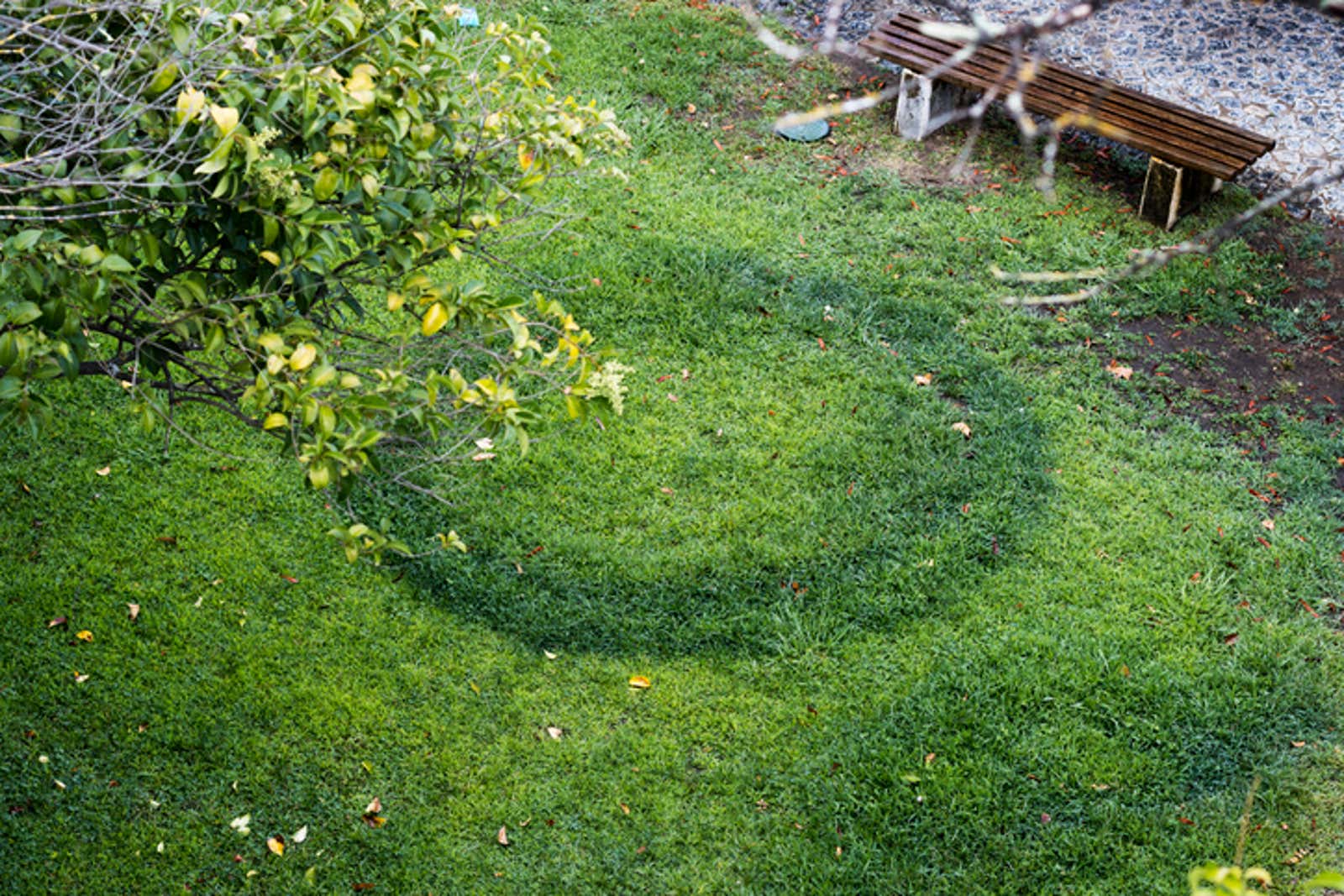
Super clear fairy ring on a grass lawn viewed from above. These rings are formed when a fungus (a Basidiomycete) grows from a central point in a circular form and just behind the leading edge of the circular colony, growth of the grass is stimulated resulting in a dark green ring of lush grass that is a contrast to the more pale green of the normal growth. When soil moisture and temperature are at suitable levels, fruiting structures (mushrooms or toadstools) will sprout overnight at the periphery of the circle.
(alanphillips via Getty Images)
So the next time a stretch of autumn rain rolls through, take a walk. Keep an eye out for rings of mushrooms on large grassy areas like golf courses, or in forests where there's plenty of leaf litter and decaying wood. Or look anywhere fairies are known to congregate.
Miriam Guthrie is an associate meteorologist with weather.com who graduated from Georgia Tech with her undergrad and graduate degrees in Earth and Atmospheric Sciences.
Loading comments...