US approves space mirror that could turn night into day
This space-based mirror could bring sunlight into the darkness. But here’s why astronomers and wildlife experts are concerned.

US greenlights space mirror that could turn night to day
The U.S. just approved the test of a space-based mirror meant to reflect the sun’s rays long after sunset, and it could change the night sky for everyone.
The details
The plans were laid down by Reflect Orbital, a startup based in Southern California, which wants to send a satellite into space that would use mirror technology to light up the night.
This satellite, dubbed Eärendil-1, is expected to be sent into low orbit this year as a test. If it's successful, the company hopes to have a fleet of over 50,000 satellites in space by 2035.

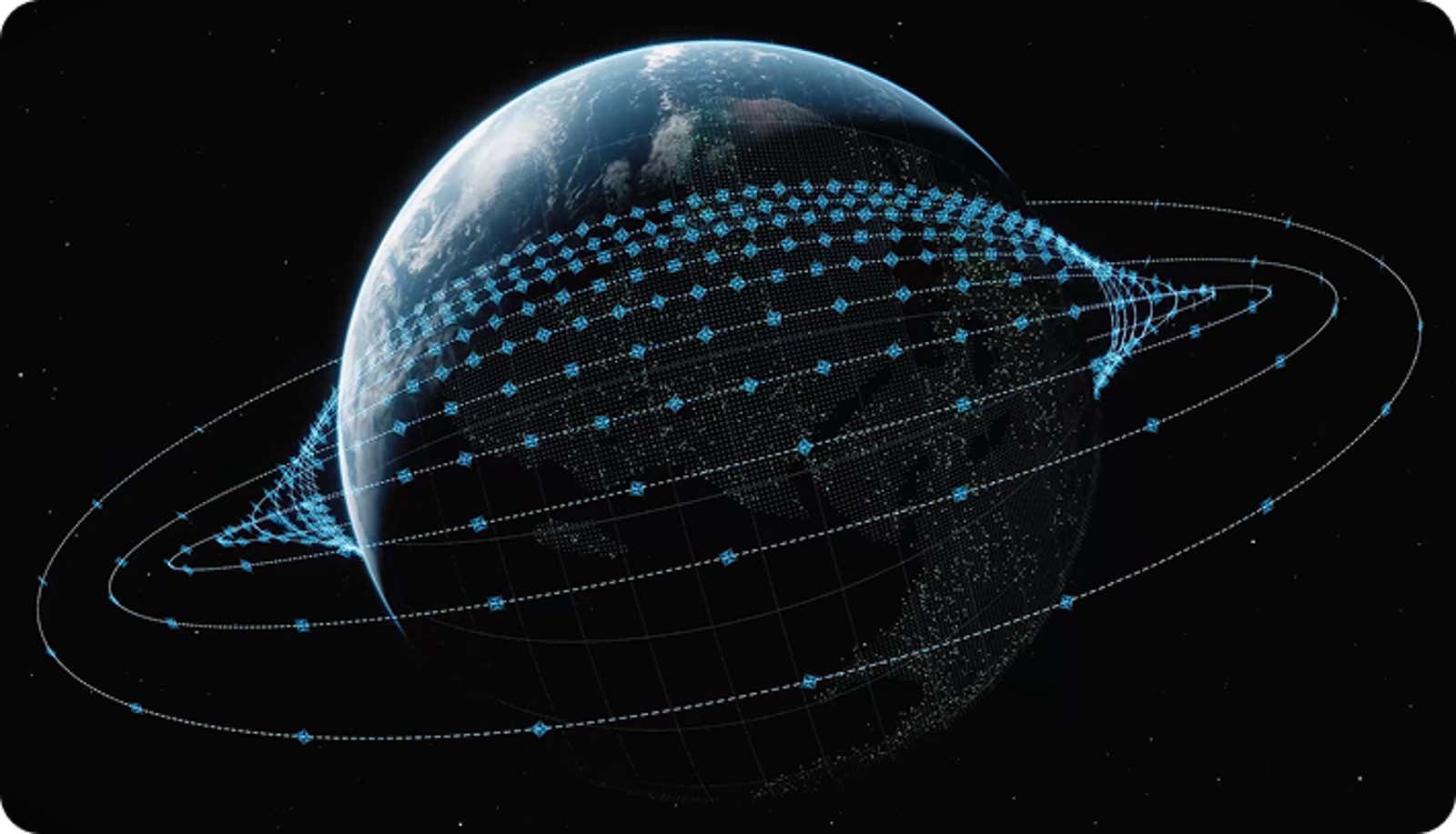
(Reflect Orbital)
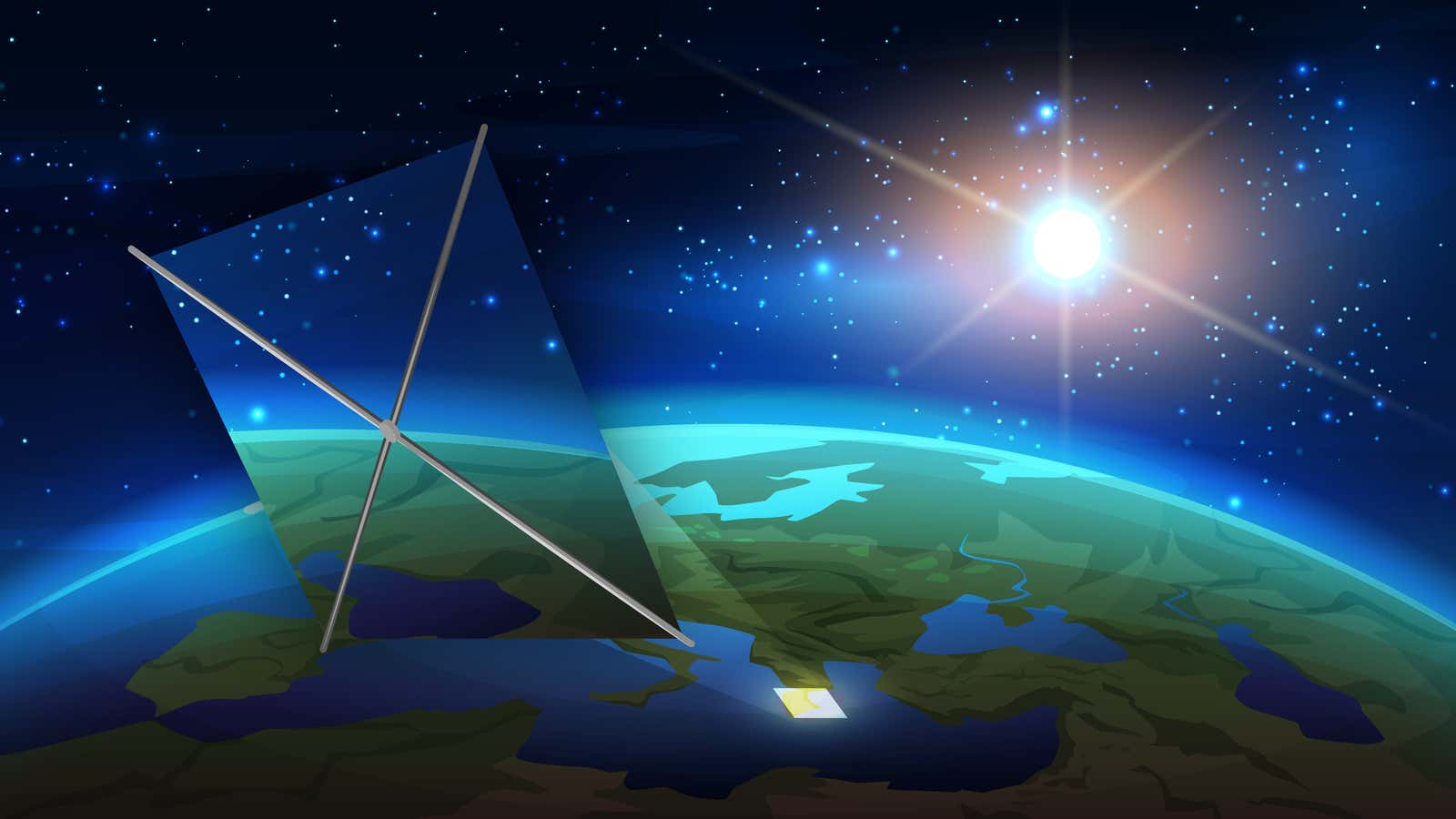
The satellites would be located in such a way that the sun’s rays would reflect off the mirrors and onto areas on the Earth that are experiencing nighttime. Basically, sunlight on demand.
Initially, the singular test satellite will produce a level of light similar to that of a full moon. But additional satellites with additional mirrors mean the fleet could produce sunlight similar to high noon.
Requests could then be put in for different locations and timeframes, and the satellites would be adjusted accordingly.
Get More of Our News on Google
Set The Weather Company as a 'Preferred Source' to get quicker access to the news you value.

(Madie Homan)
While the company clearly laid out the benefits of their plan, it has been met with fierce opposition from astronomers, dark-sky advocates and wildlife experts. Here’s what you need to know.
The promise:
- To aid in disaster response and search and rescue efforts
- To recharge solar farms, which could reduce our use of fossil fuels
- To provide light for overnight construction projects and city streets
- To allow farmers to produce more consistent crop yields
The problems:
- The distraction for airline pilots
- The disruption of astronomical observations, both professional and amateur
- The interference with circadian rhythms in humans
- The impact on plant blooming and animal migration
Whether the space mirror becomes a breakthrough or the problems become a breaking point, its approval marks a turning point in how far we're willing to go to bend nature to our schedule.
Caitlin Kaiser graduated from the Georgia Institute of Technology with both an undergraduate and graduate degree in Earth and Atmospheric Sciences before starting her career as a digital meteorologist with weather.com.
Loading comments...