Where in the world are... 'The Bedsheets'?
A vanishing lagoon wonderland in the middle of a desert? Can you guess where in the world it is?

(franco tollardo/ Getty Images)
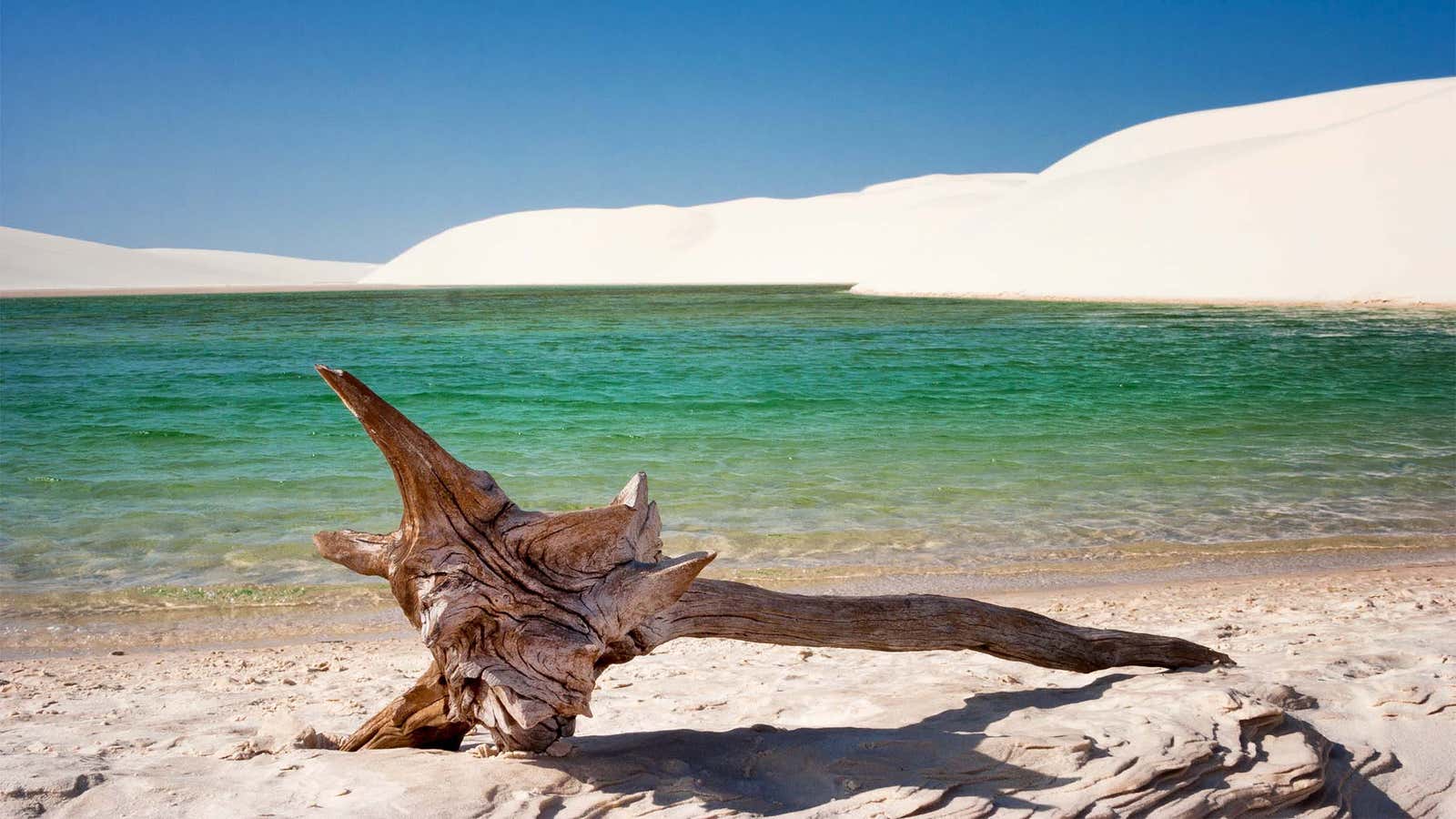
Somewhere in the world, every year, thousands of crystal-clear lagoons appear like magic across what looks like the world's most pristine desert, only to vanish completely just a few months later.
(Drs Producoes/ Getty Images)
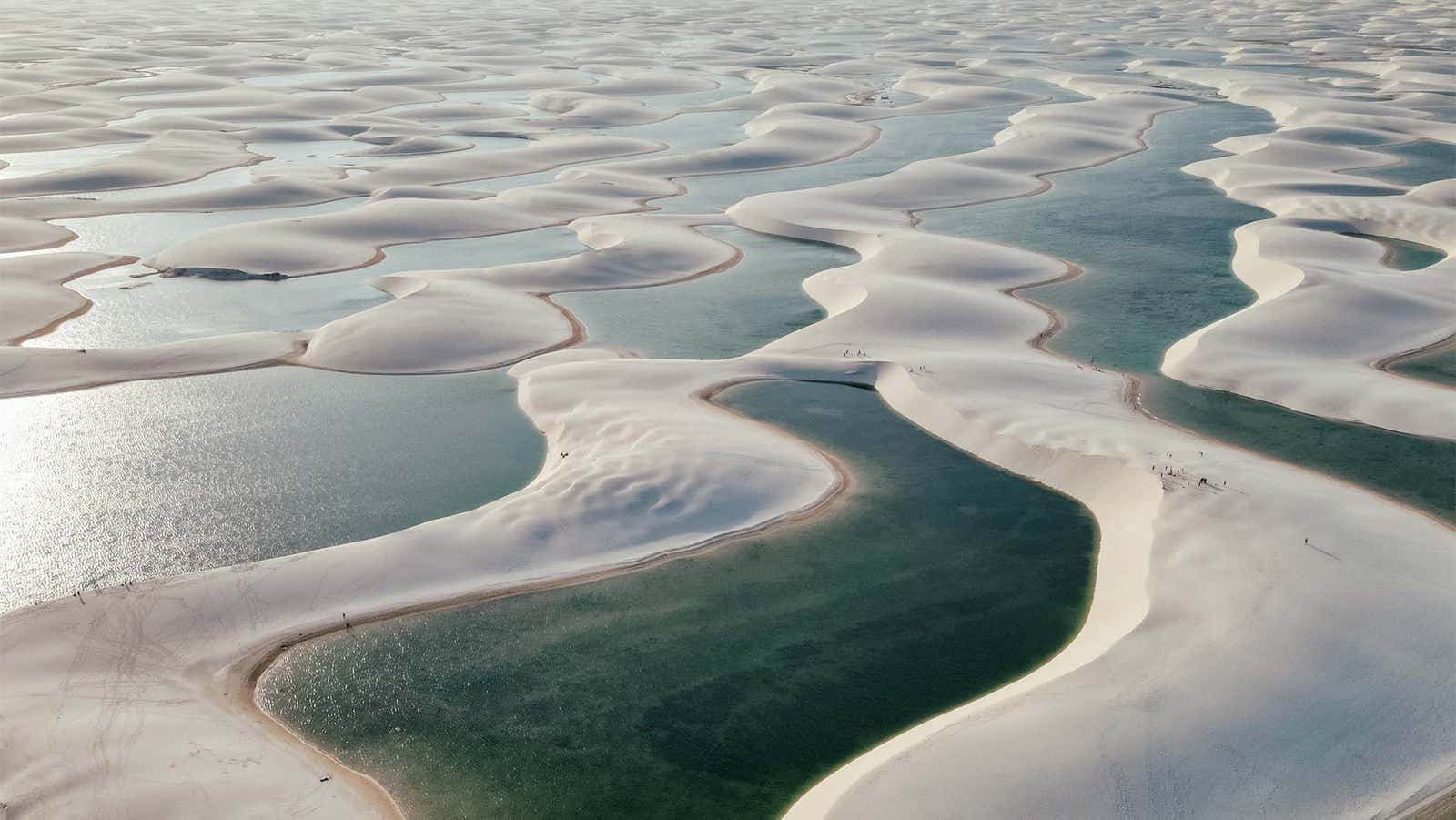
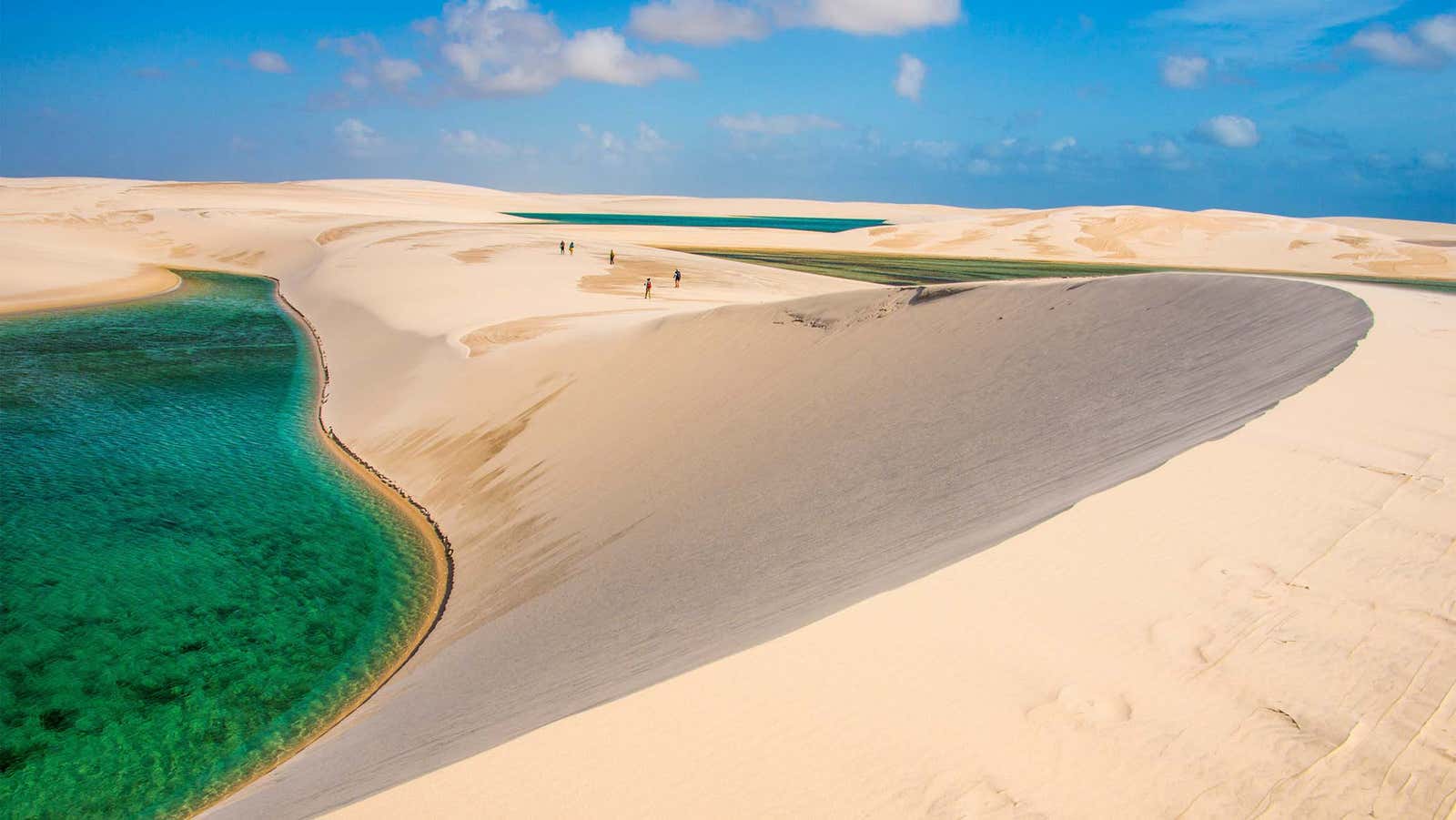
It's an almost impossible scene: endless white sand dunes that stretch and undulate toward the horizon, separated by hundreds of perfect blue or emerald pools. Some lagoons are small enough to wade across, others large enough for swimming and all of them are filled with water so clear you can see every grain of sand on the bottom.
(Giovani Cordioli/ Getty Images)
The strangest part? If you visit during the wrong season, you'll find nothing but sand dunes. But if you return during the rainy season, the same landscape will be transformed into an aquatic wonderland that looks like someone decided to turn the Sahara into a giant waterpark.

Andre Luis Michelon/ Getty Images
Where in the world does this incredible transformation occur?
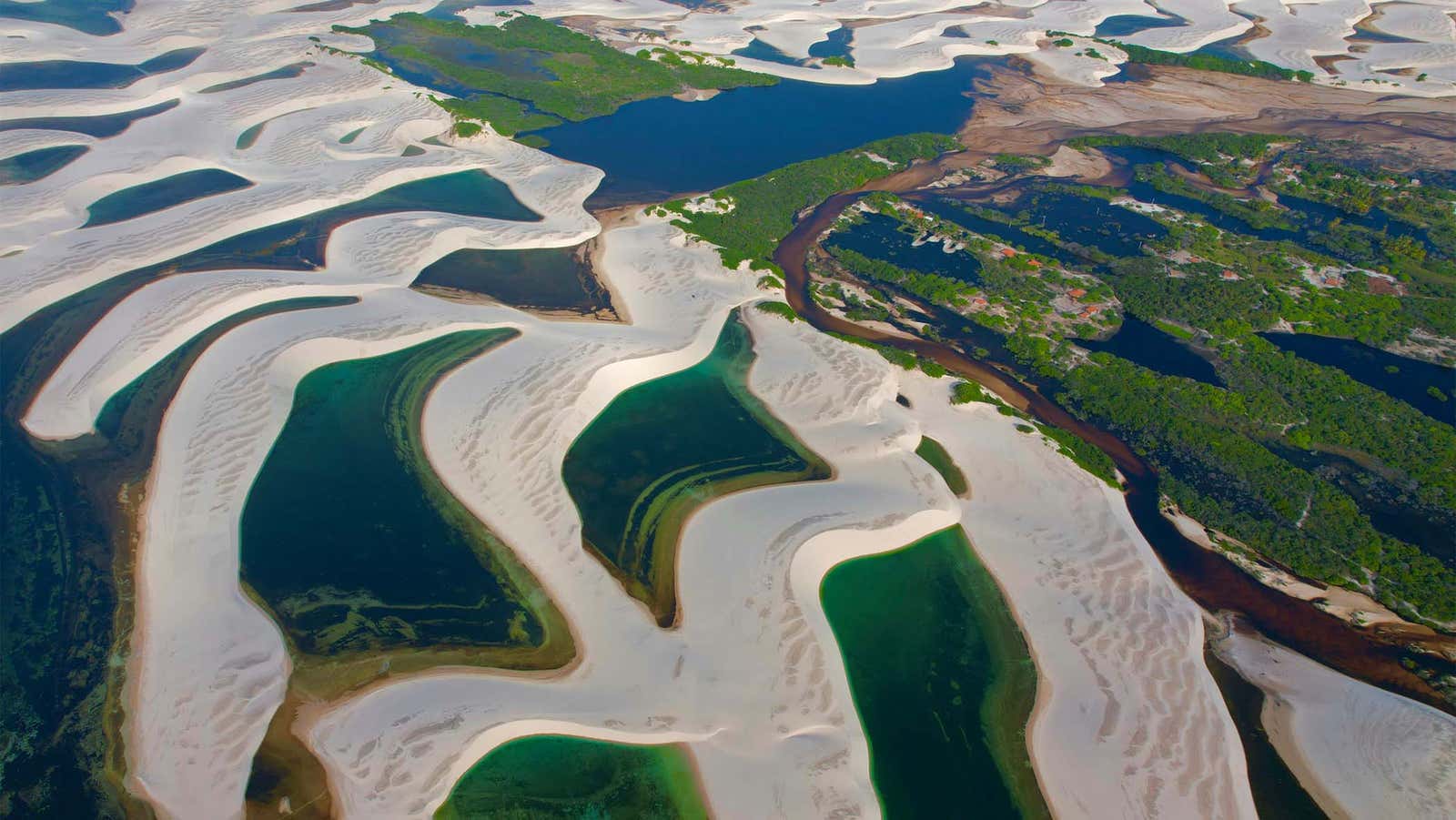
The science behind it is surprisingly straightforward. During the rainy season, regular downpours fill the valleys between sand dunes with rainwater. But because the sand sits on top of an impermeable rock layer, the water can't drain away, so it just sits there in perfect pools until the dry season returns and evaporation slowly makes it disappear.
OK, have you made your guess?
Get More of Our News on Google
Set The Weather Company as a 'Preferred Source' to get quicker access to the news you value.

This is Lençóis Maranhenses National Park in northeastern Brazil, where 600 square miles of white sand dunes create one of South America's most surreal landscapes. The name translates to "bedsheets of Maranhão," referring to the way the white dunes resemble laundry spread across the countryside. The best time to visit is between May and September when the lagoons are full, creating a temporary paradise that exists nowhere else on Earth.
Technically, you can't even call it isn't even a desert at all: it receives too much rainfall to qualify. Instead, it's a unique ecosystem where desert-like dunes coexist with seasonal wetlands, supporting fish that somehow survive the annual cycle of flood and drought by burrowing into mud during dry periods.
Ready to swim in a desert? Tell us in the comments!
Loading comments...